
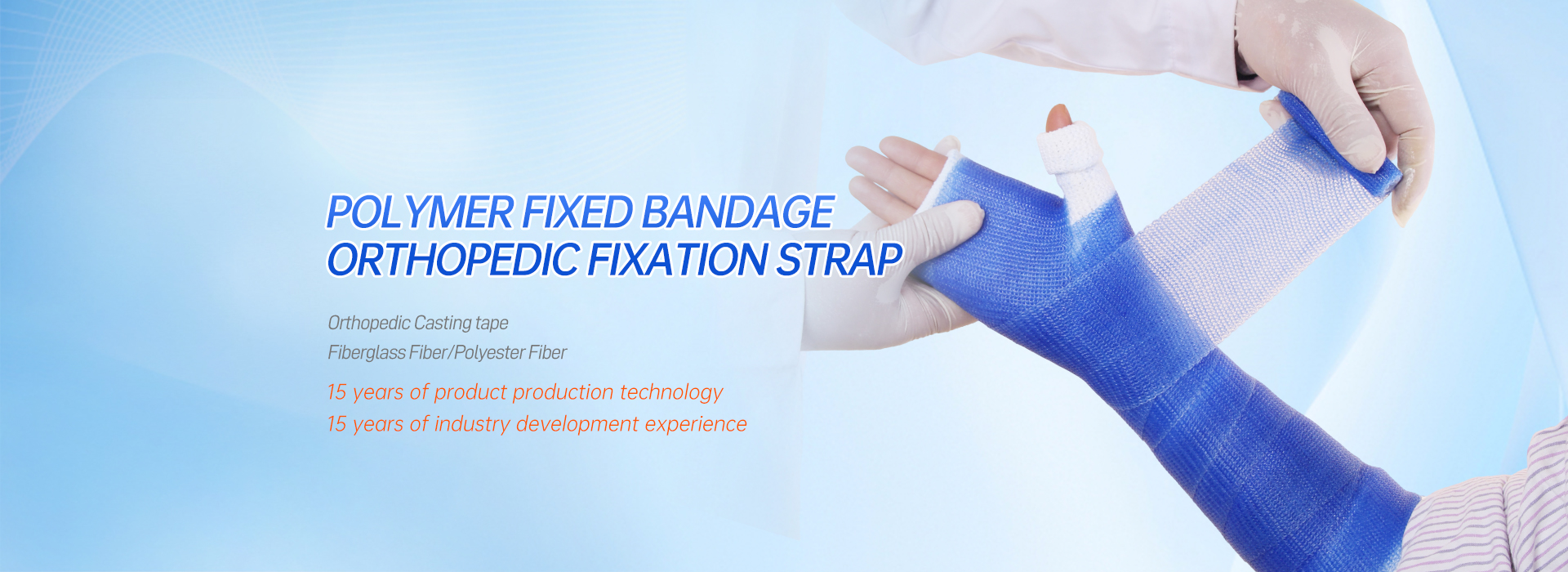
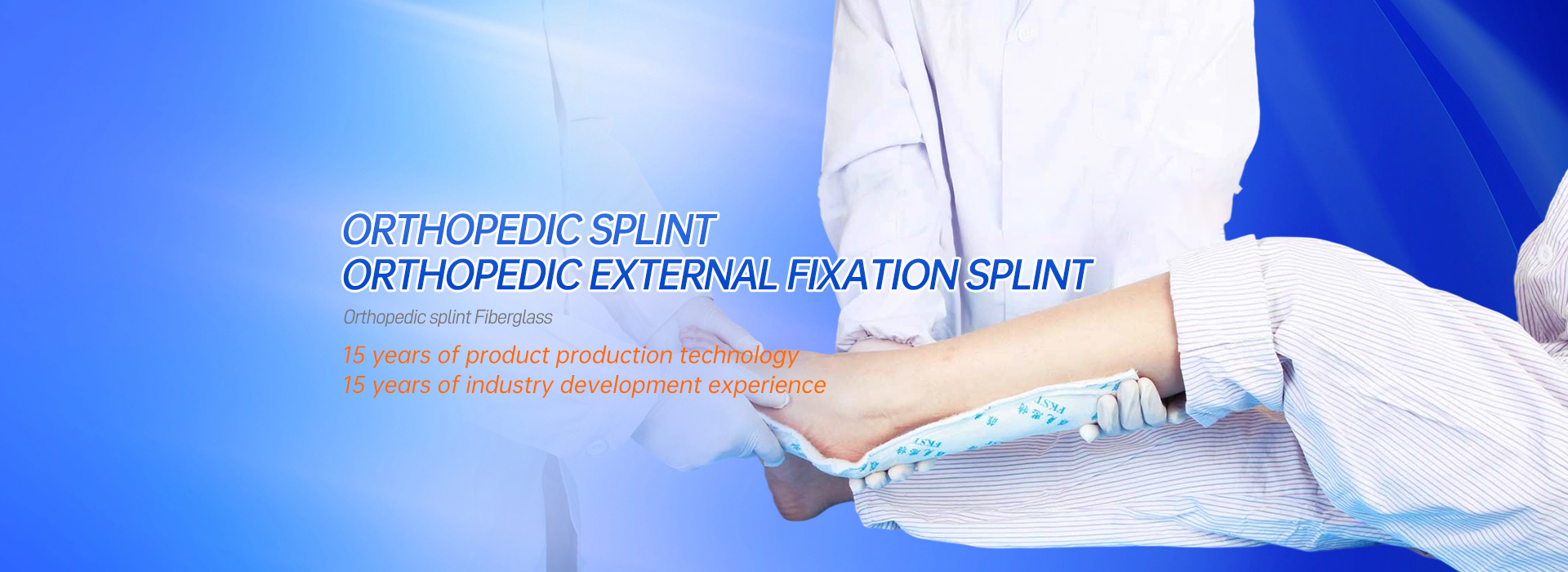
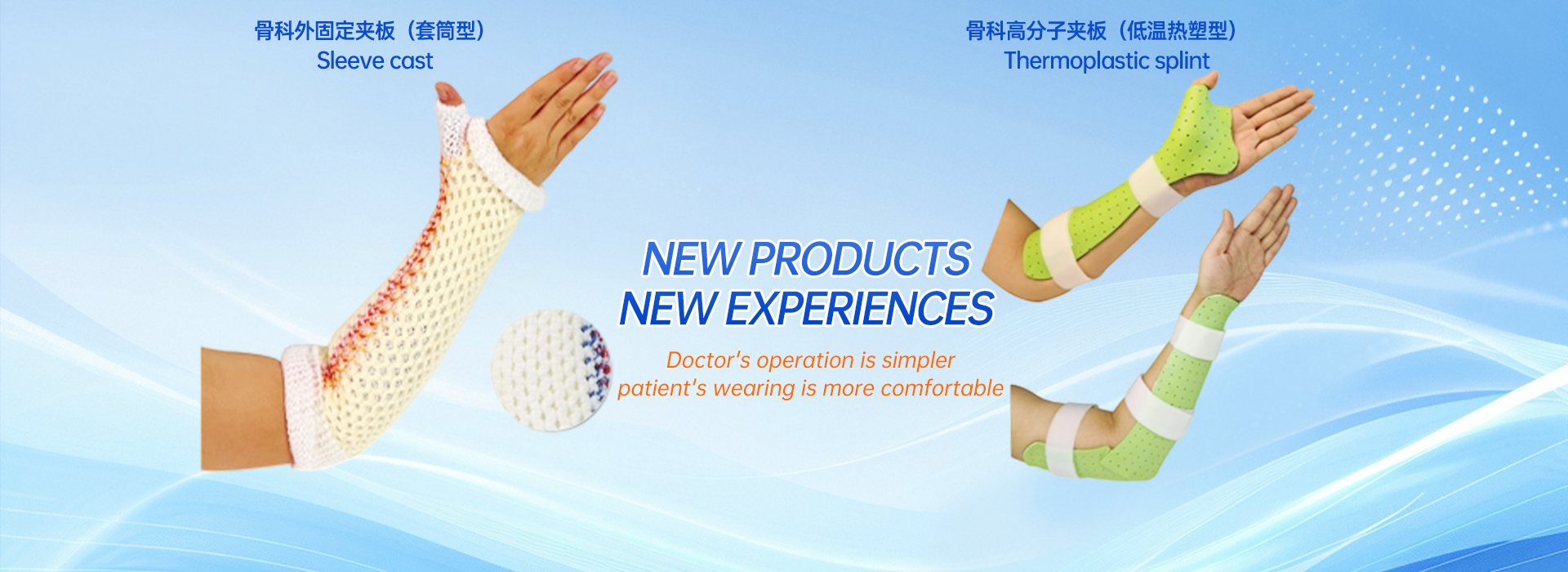
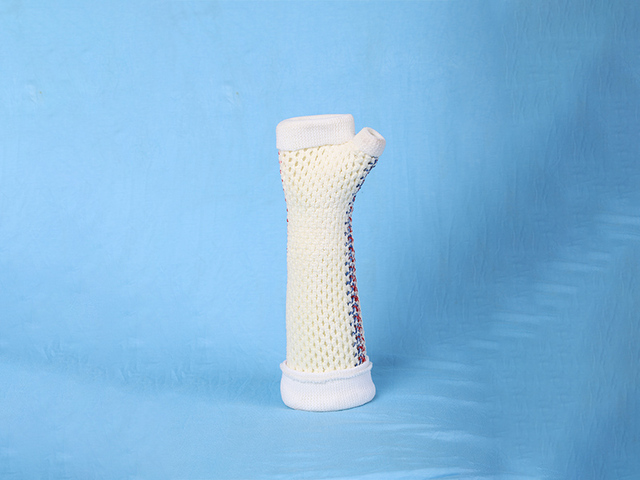
In the field of fracture treatment, orthopedic external fixation products, as non-invasive treatment tools, are closely related to the characteristics of fractures in terms of their applicability. This type of product maintains bone stability through external fixation devices, creating favorable conditions for natural healing. Understanding its applicable scenarios can help patients and healthcare professionals make more rational treatment choices.
From clinical practice, orthopedic external fixation products are mainly targeted at fracture situations with specific needs. For cases of open fractures accompanied by soft tissue injuries, external fixation products can avoid additional pressure on the wound and facilitate wound care. In limb fractures accompanied by severe swelling, adjustable external fixation brackets can reserve space for swelling to subside. Some complex fractures, such as comminuted fractures, can be gradually reduced with the assistance of external fixation products, which conforms to the natural law of callus formation.
In the treatment of pediatric fractures, orthopedic external fixation products demonstrate special value. Children in the growth and development stage have strong bone remodeling ability, and external fixation methods can ensure stable fracture ends without interfering with epiphyseal plate growth. For adolescent fracture cases that require frequent follow-up, detachable external fixation devices are more convenient than traditional plaster. In special fractures such as unstable pelvic ring fractures, external fixation frames can provide three dimensionality, which is difficult to achieve with conservative treatment.
The application of external fixation during the postoperative rehabilitation stage is also worth paying attention to. In cases where short-term external support is required after partial internal fixation surgery, or where there is a risk of infection and internal fixation needs to be temporarily postponed, external fixation products can provide transitional protection. For brittle fractures in patients with osteoporosis, external fixation can disperse stress and avoid excessive local pressure. In the emergency treatment of multiple trauma patients, temporary external fixation can buy time for subsequent treatment.
With the advancement of materials science, modern orthopedic external fixation products continue to improve in terms of breathability, weight control, and biocompatibility, expanding their clinical applicability. However, it should be noted that the specific treatment plan should strictly follow the professional evaluation of orthopedic surgeons, and any fixation method must be accompanied by scientific rehabilitation training to achieve the expected effect.