
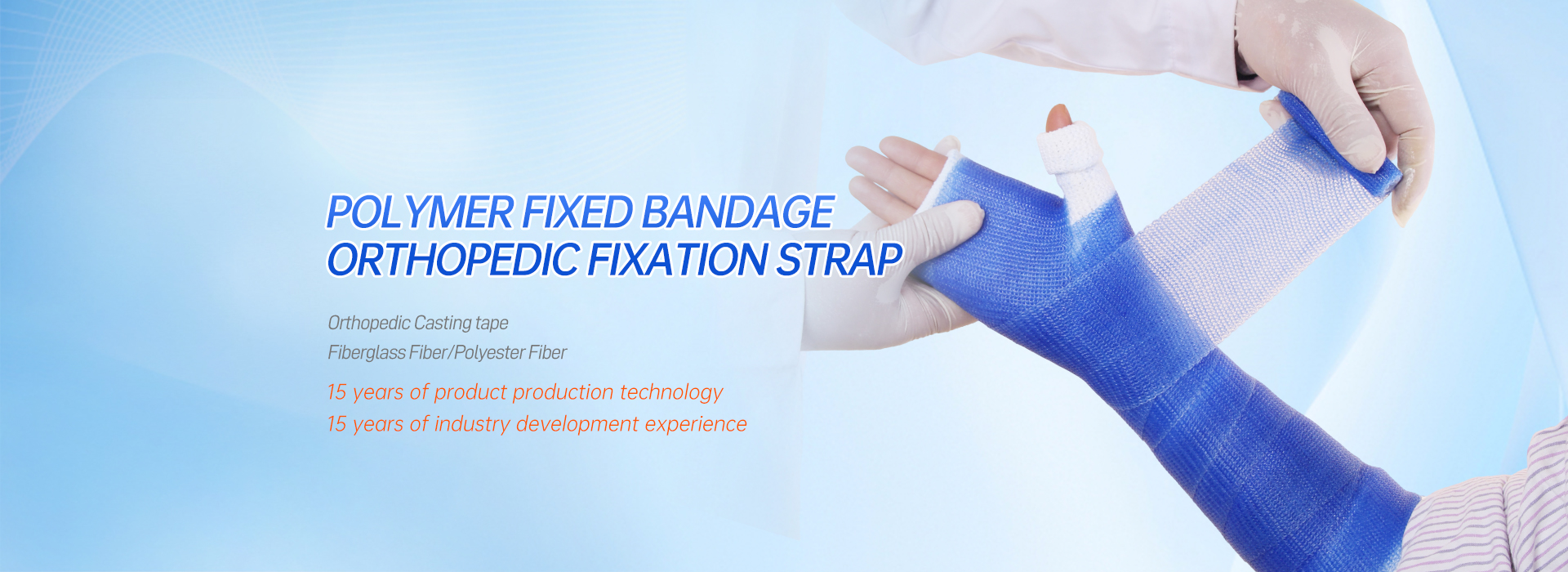
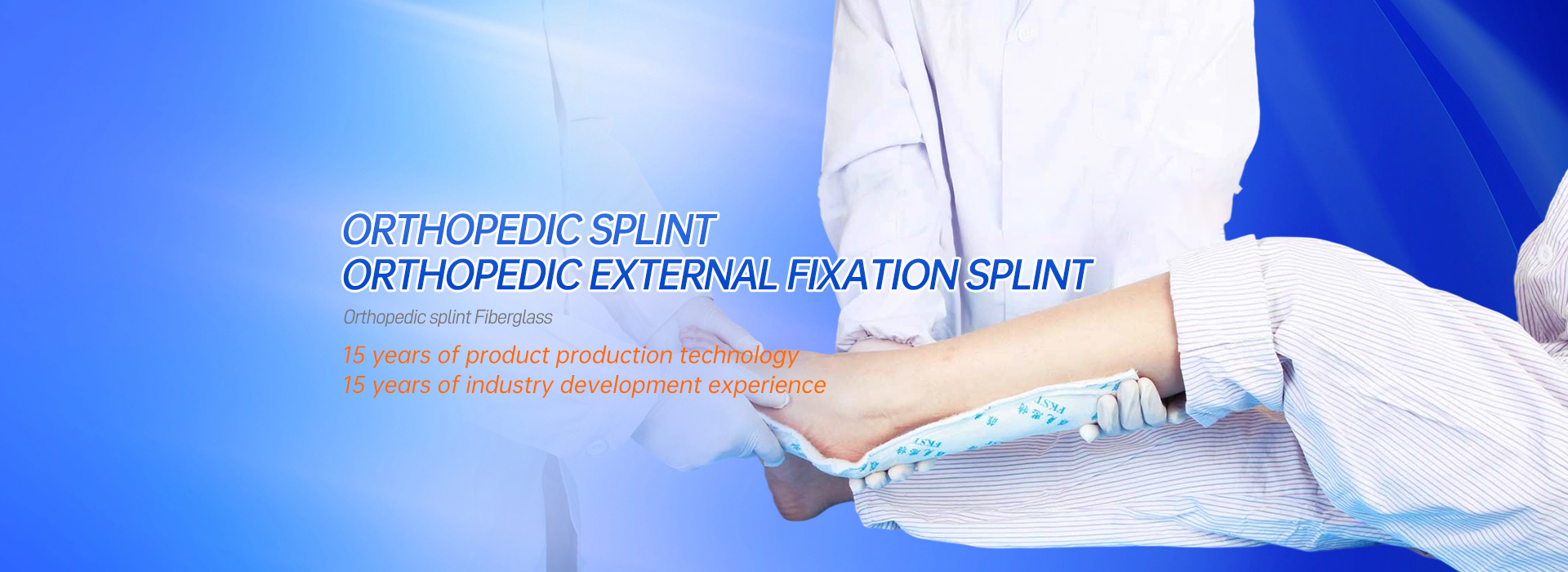
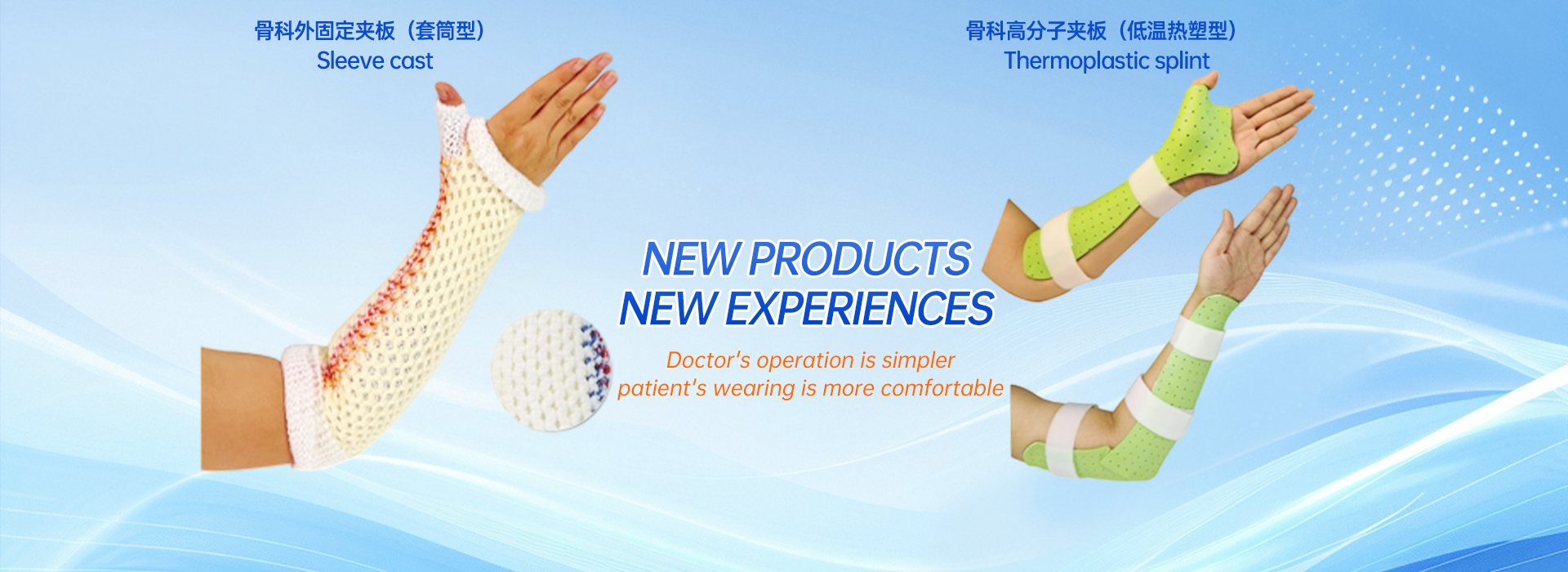
Orthopedic external fixation products are common medical aids used in the treatment and rehabilitation of fractures. The correct use of such products plays an important role in fracture healing and functional recovery. This article will introduce the key points of its use and help users master the basic operating norms.
Orthopedic external fixation products mainly include braces, fixation straps, external fixation frames, and other types. Before use, it is necessary to confirm whether the product has been certified as a medical device and carefully read the product manual. It is recommended to wear or install under the guidance of a professional physician to ensure accurate fixation. For adjustable products, attention should be paid to preserving appropriate activity space to avoid being too tight and affecting blood circulation.
Keep the product clean and dry during daily use. Most orthopedic external fixation products can be wiped with neutral cleaning agents, but soaking or the use of corrosive cleaning agents should be avoided. Regularly check the skin condition of fixed areas, and seek medical attention promptly if there is persistent pain or skin damage. During sleep, adjust the fixed angle according to the doctor's advice, and use an auxiliary pillow if necessary to maintain comfort.
During the rehabilitation period, it is necessary to follow the doctor's advice for regular check ups and confirm the progress of fracture healing through imaging examinations. Physicians will gradually adjust the usage time and intensity of external fixation products based on the recovery situation. It should be noted that there are differences in the fixation time required for fractures in different parts, and they cannot be removed in advance by themselves. After removing the external fixation product, gradual joint movements and muscle exercises should be carried out according to the rehabilitation plan.
For situations that require long-term use, it is recommended to check the product status every 4-6 weeks to see if there are any loose parts, aging materials, or other issues. Due to their rapid growth and development, pediatric patients require close follow-up and timely size changes. When used in special environments, such as swimming or bathing, waterproof products should be selected or protective measures should be taken.